Breast Forms – The Fitting Process
Finding the right breast form starts with a professional fitting. An experienced Amoena fitter can help you identify the shape, size and style that feels comfortable and looks natural for your individual body.
Why visit a breast form fitting specialist?
Your body can change over time through age, treatment, weight changes and other factors. For that reason, a breast form that once fitted well may no longer be the best match.
An Amoena fitting specialist can guide you through a private, one-to-one fitting and help you compare options until the breast form feels comfortable, secure and balanced.
Allow enough time
A good fitting should not feel rushed. Give yourself time to try different shapes and sizes.
Share how it feels
Tell your fitter if anything feels uncomfortable or if you would like to adjust the look or fullness.
Ask questions
Use the appointment to ask about care, wearing instructions, accessories and return policies.
How will I be measured for a breast form?
The fitting should take place with as much privacy as possible. Your fitter will first consider the condition of the surgical area and then use your body shape and, when applicable, your remaining breast as the basis for selecting a breast form.
The fitting process can be broken down into three main steps.
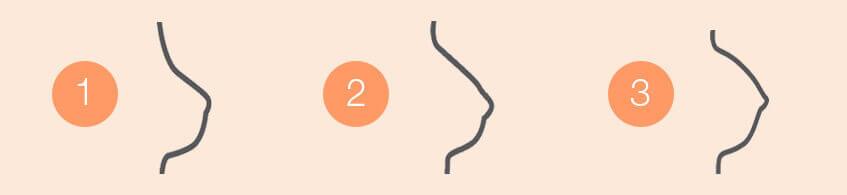
Cup fullness
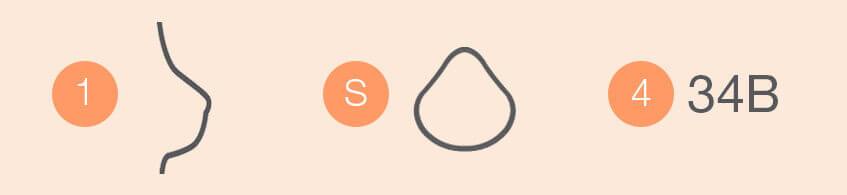
The fitter assesses whether the desired breast profile is shallow, average or full. This provides the first part of the breast form code.
Shape
Next, the fitter identifies the breast form shape that best matches your body. Amoena fitting codes include symmetrical, asymmetrical, extra and universal shapes.
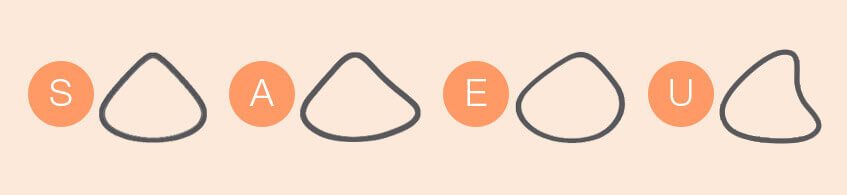
A symmetrical shape may suit many standard mastectomies, while an asymmetrical form can provide additional coverage when tissue has also been removed toward the underarm area.
Bra size
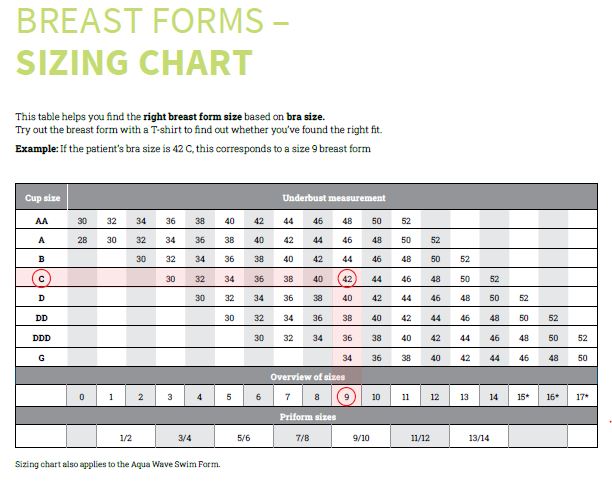
Your fitter measures around the chest wall and rib cage to determine bra size. Correct bra fit is important because it affects how naturally and securely the breast form sits.
What kind of breast form is best for me?
Once your measurements and fitting profile are established, your fitter can talk through the different breast form options and help you choose one that matches your lifestyle, comfort preferences and desired silhouette.
A pocketed mastectomy bra is also worth considering because it is designed to hold a breast form securely while providing comfortable support.
Find the right breast form for you
Explore Amoena breast forms or arrange a personal fitting with an experienced retailer.